
High heel comfort rarely starts with a gel pad and a prayer. It starts much earlier — in the last, the pitch, the toe shape, the heel base, and the way the shoe is built for actual human movement, not just a beautiful product photo. That matters because the usual complaints about heels tend to sound very familiar: too much pressure on the forefoot, toes packed together like commuters on a Monday morning, feet sliding forward, and styles that look stunning in pictures but start negotiating your surrender after just a short walk.
For brands, that leads to a bigger question. If customers keep saying the same things, what really makes a high heel more comfortable? And just as importantly, which problems should be solved during development instead of being left for the wearer to fix later with inserts, liners, and optimism?
This is where a manufacturer’s perspective becomes far more useful than another list of emergency hacks. Quick fixes can help, of course. But real comfort usually depends less on afterthoughts and more on what was decided from the start — fit balance, pressure distribution, material choice, and the structural details built into the shoe long before the sample is approved.
Why High Heels Feel Uncomfortable
Most discomfort in high heels comes from four common issues.
The first is forefoot pressure. As heel height increases, more weight shifts toward the ball of the foot. That is why very high heels often feel tiring much faster, especially during long events or daily wear.
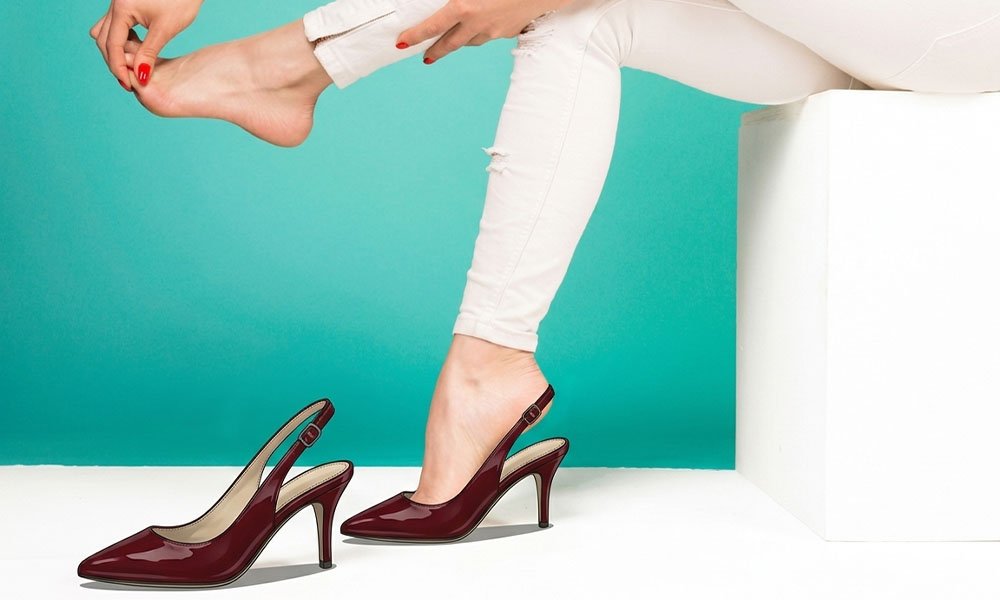
The second is limited toe space. A pointed silhouette may look refined, but if the toe box is too tight, the foot cannot settle naturally. The result is pressure, rubbing, and a feeling of being squeezed into the shape rather than supported by it.
The third is poor stability. A heel may look elegant, but if the height, base, or upper structure is not balanced well, the wearer feels it immediately. This is often where wobbling, ankle strain, or general insecurity begins.
The fourth is insufficient hold. When the foot slides forward, pressure increases at the front, friction builds at the heel, and the entire shoe becomes harder to wear. In many cases, the issue is not just the height of the heel — it is the way the shoe holds, or fails to hold, the foot in place.
How to Make High Heels More Comfortable
The most effective comfort improvements begin in the design stage.
1. Start with better fit
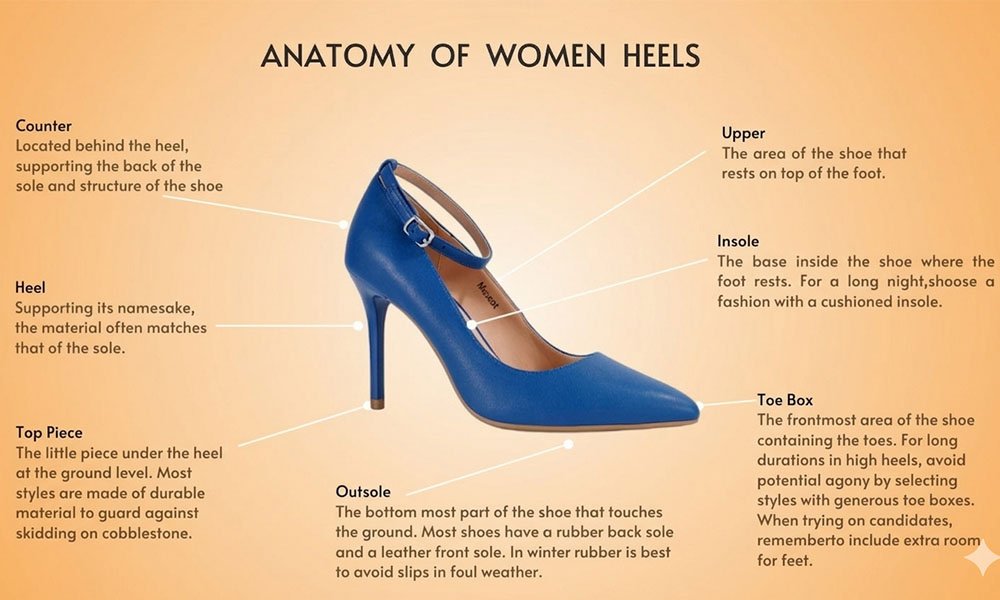
Comfort begins with the internal architecture of the shoe. The last, the alignment of the foot, and the balance between heel and forefoot all influence how natural the shoe feels in motion.
2. Leave room for the toes
A strong design does not need to sacrifice all toe space for a sharp look. A more thoughtful toe shape can improve wearability without losing elegance.
3. Reduce pressure on the forefoot
Support under the ball of the foot makes a major difference. Cushioning, insole structure, and internal support all help the shoe feel more wearable over time.
4. Match heel height to real use
Not every heel is meant for the same purpose. A fashion statement heel, a bridal heel, and an office heel should not all be developed with the same comfort expectations. The right heel height depends on how long the shoe is meant to be worn and by whom.
5. Choose materials carefully
Materials affect more than appearance. Softer leathers, suedes, and more adaptable uppers often feel more forgiving than stiff or overly rigid materials. A refined finish is important, but so is how the shoe moves with the foot.
6. Keep the foot secure
Straps, upper construction, and heel fit all help prevent the foot from sliding forward. Good containment improves both comfort and stability.
Comfort Means Different Things to Different Buyers
One mistake many brands make is treating comfort as a single standard. In reality, comfort depends on the customer and the use case.
A bridal heel may need to stay wearable through hours of standing and celebration. A work heel may need more stability and moderate height. An e-commerce product may need to avoid the kinds of discomfort that lead to returns and poor reviews. A fashion heel may still need enough comfort to feel realistic for its target market.
That is why comfort should always be defined in context.
What Brands Should Ask Before Development Starts
Before developing a new high heel, brands should ask:
- Who is this shoe for?
- How long is it meant to be worn?
- Does the customer need more toe room or more support?
- Is the heel height realistic for the market?
- Will the materials feel good in real use, not just in photos?
- Does the upper hold the foot properly?
These questions often matter more than small adjustments made later.
How PandaShoes Approaches More Comfortable High Heel Development
At PandaShoes, comfort starts with the intended use of the shoe. We look at heel height, toe shape, fit balance, materials, and overall structure before focusing on final presentation.
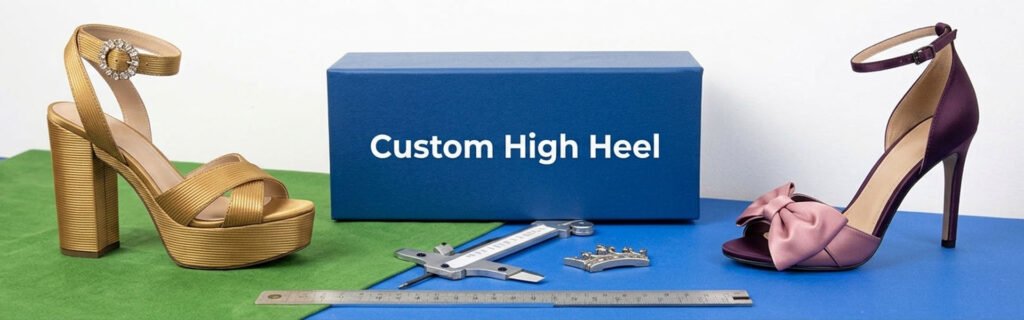
For custom high heel shoes and private label collections, this helps shift the conversation from “How do we fix discomfort later?” to “How do we build the product better from the beginning?”
A strong sample should not only look right. It should also feel balanced, secure, and realistic for the customer it is meant to serve.